What it's used for here
Some patients with temporomandibular joint disorder, clenching, or grinding develop overworked and painful jaw muscles. When these muscles remain tense for long periods, they may contribute to jaw soreness, facial pain, tension headaches, tooth wear, and difficulty opening or moving the jaw comfortably.
“For carefully selected patients, I may recommend therapeutic Botox as part of a broader treatment plan. Botox is placed into specific muscles — not directly into the jaw joint — to reduce excessive muscle activity and allow the area to relax.”
The muscles most commonly treated are the masseter muscles, the powerful chewing muscles along the sides of the jaw, where treating an overactive muscle may reduce clenching intensity, jaw fatigue, ear pain and muscle-related facial pain; the temporalis muscles at the temples, which also help close the jaw and may contribute to temple pain, eye pain, tension headaches and discomfort associated with clenching or grinding; and individual trigger points where appropriate — small, particularly tight and tender areas within a muscle that may cause localized pain or refer discomfort into the jaw, face, head or neck.
“Every patient’s pain has a different cause, so Botox is not automatically recommended for everyone with TMJ symptoms. I first evaluate the jaw and joints, muscles, bite, range of motion, and pattern of discomfort. If muscle overactivity appears to be a significant part of the problem, therapeutic Botox may be used alone or alongside other care — an oral appliance, orthodontic treatment, physical therapy, habit modification, or referral to another specialist.”
The goal is not to eliminate normal jaw function. It is to reduce excessive muscle contraction while preserving comfortable chewing, speaking, and facial movement. The effects are temporary and typically develop gradually, so treatment and dosage can be tailored to each patient. Cosmetic treatment is also offered.
Whether it is appropriate depends on the examination. Dr. Khan will say so plainly if she does not think it is the right tool for what you are experiencing.
What a visit looks like
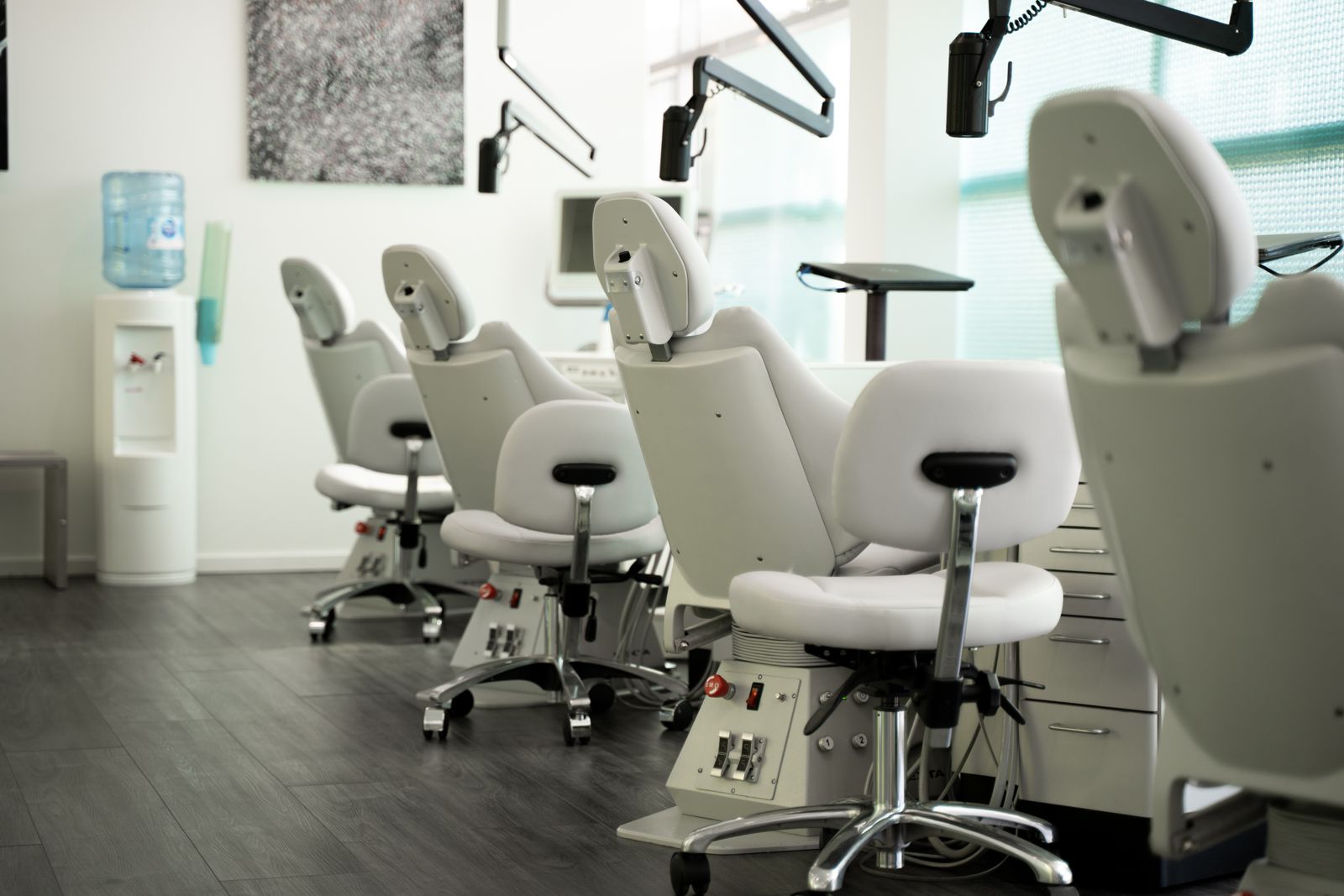
Treatment is quick and done in the office. Dr. Khan examines the muscles, explains where she is treating and why, and answers questions before anything begins.
You will be told what to expect afterward, what is normal, and how to reach the office if you have a question once you are home.
Cost
We offer a discounted rate to our patients in treatment; otherwise the normal rate.
Cash-pay. Specifics at your consult and on the cost page. For patients in orthodontic treatment, Botox is done at a discounted rate.